

How To Draw A Sidewinder Snake
Arizona Rattlesnakes
Rattlesnake Facts
- Scientists have identified 36 rattlesnake species
- Rattlesnakes live only in North and South America
- 13 species live in Arizona, more than any other state
- Rattlesnakes use the "loreal pit," a heat-sensing organ between the nostril and eye to locate prey and potential predators
- These snakes have glands that make venom, much like human saliva glands make saliva
- The rattle is made of keratin, the same material found in human hair and fingernails
- The age of a rattlesnake cannot be determined by counting the segments of its rattle
- Rattlesnake prey may include small mammals, birds, reptiles, amphibians, and centipedes
- According to Arizona Poison Centers, less than 1% of rattlesnake bites result in human deaths
Rattlesnake Species
Massasauga (Sistrurus catenatus)


- Up to 22" long
- Most primitive form of rattlesnake in U.S.
- One of four rattlesnake species with special protection in Arizona
Mohave Rattlesnake (Crotalus scutulatus)
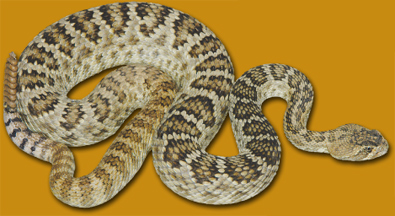

- Up to 50" long
- Widely considered most toxic rattlesnake in U.S.
- Easily confused with Western Diamond-backed Rattlesnake
Prairie Rattlesnake (Crotalus viridis)


- Up to 64" long
- Reportedly used in famous Hopi snake
dance ritual
Sidewinder Rattlesnake (Crotalus cerastes)


- Up to 25" long
- Travels in side-winding motion
- Only rattlesnake with horns over eyes
Speckled Rattlesnake (Crotalus mitchelli)


- Up to 51" long
- Color can vary greatly from nearly white to pink, gray or brown
- Color often matches their surroundings
Twin-spotted Rattlesnake (Crotalus pricei)
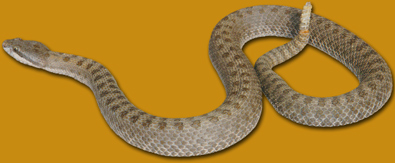

- Up to 26" long
- Small rattle sounds like insect
- One of four rattlesnake species with special
protection in Arizona
Tiger Rattlesnake (Crotalus tigris)
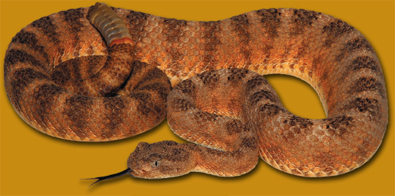

- Up to 35" long
- Small head doesn't hold much venom, but venom is powerful
Ridge-nosed Rattlesnake (Crotalus willardi)
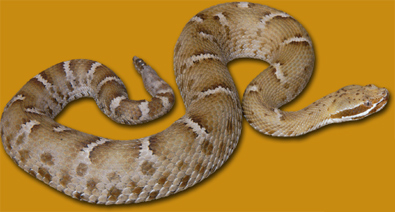

- Up to 26" long
- Gets its name from raised ridge of scales around front of snout
- Arizona Ridge-nosed Rattlesnake is official state reptile
- One of four rattlesnake species with special protection in Arizona
Western Diamond-backed Rattlesnake (Crotalus atrox)


- Up to 66" long
- Largest rattlesnake in the West
- Responsible for more bites and deaths to humans than any other rattlesnake species in U.S.
Black-tailed Rattlesnake (Crotalus molossus)
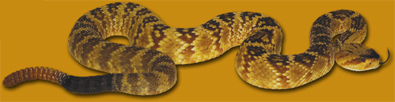

- Up to 48" long
- Color can vary greatly from brown or beige to green or golden yellow
Arizona Black Rattlesnake (Crotalus cerberus)
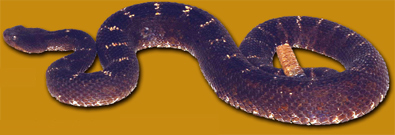

- Up to 42" long
- Young are vividly patterned and can look very different from adults
Western Rattlesnake (Crotalus oreganus)
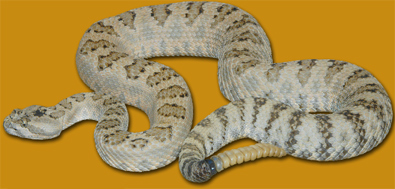

- Up to 63" long
- Has venom twice as strong as Western Diamond-backed Rattlesnake, but produces less venom
Rock Rattlesnake (Crotalus lepidus)
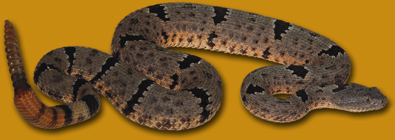

- Up to 33" long
- Young use brightly colored tail to attract prey, but tail changes color as snake gets older
- One of four rattlesnake species with special protection in Arizona
How To Draw A Sidewinder Snake
Source: https://www.azgfd.com/wildlife/livingwith/rattlesnakes/
Posted by: maravillamilt1943.blogspot.com
0 Response to "How To Draw A Sidewinder Snake"
Post a Comment